
Humanitarian Visas

Onshore: Protection Visa (Subclass 866)
Who can apply? People already in Australia who face a real chance of persecution or serious harm in their home country.
Grounds for protection: Race, religion, nationality, political opinion, or membership of a particular social group.
Complementary protection: Australia also protects applicants under the Convention Against Torture (CAT) and the International Covenant on Civil and Political Rights (ICCPR).
Offshore Humanitarian Visas

Refugee Visa (Subclass 200)
For individuals outside Australia who meet the UN definition of a refugee.
Must fear persecution based on race, religion, nationality, political opinion, or social group.
In-Country Special Humanitarian Visa (Subclass 201)
For people still in their home country.
Requires sponsorship by an immediate family member in Australia.
Applicant must be facing ongoing, serious persecution or discrimination.
Global Special Humanitarian Visa (Subclass 202)
For people outside Australia with an Australian citizen, permanent resident, or eligible New Zealand citizen sponsor.
Designed for those experiencing substantial discrimination or human-rights abuses.
Women at Risk Visa (Subclass 204)
For single women (and their dependent children) outside Australia who lack the protection of a male relative.
Applicant must be in danger of gender-based violence, harassment, or other serious abuse.
No sponsor is required, but a UNHCR referral or strong humanitarian evidence is essential.
Need Advice?
If you, a family member, or a friend is at risk of harm, contact us for a confidential eligibility assessment. We’ll help identify the most appropriate visa pathway and guide you through each step of the process.
Trusted by Employers Across Australia
We believe in the power of migration.
Simplifying Immigration, Connecting Humanity.
EXCELLENTBased on 45 reviewsPosted onGwen CoghillTrustindex verifies that the original source of the review is Google. Tina and Deepika have guided me through, what felt to me, like a complex case. They answered my endless questions with empathy and used terms I would understand. I was lacking confidence of the process at times, but I was reassured by both of them when needed. Overall a pleasure to work with. Thank you for getting me over every hurdle that popped up and managing to have all our visas granted in such a short amount of time. I am so glad that I found Tina again, I was also so pleased to find she had her own law firm from the last time we spoke. Very well deserved.Posted onRezaTrustindex verifies that the original source of the review is Google. We had the pleasure of working with Tina and her team recently. My partner and I were in a very stressful situation due to a sudden change in our circumstances. Tina gave us a clear plan, spent enough time addressing our concerns, and kept us informed throughout the process. She and her team helped us effectively with my wife's visa within a very short timeframe. I would strongly recommend One Planet Migration Law.Posted onTaraneh KassiriTrustindex verifies that the original source of the review is Google. Tina’s help was indispensable when I began the process of moving to Australia. She helped my husband and I work through the paperwork and gain clarity on what was needed. Without her, the process would have been so much more difficult. We’re very grateful for her assistance, which she carried out professionally, responsiveness, clarity and joyPosted onJoshTrustindex verifies that the original source of the review is Google. So great at their jobs. Absolutely a dream to work with. These people go above and beyond and as a Canadian lawyer myself, I cannot think of another time I've worked professionally with people who are so kind, diligent, and competent. I cannot recommend One Planet enough.Posted onshaghayegh lotfiTrustindex verifies that the original source of the review is Google. I’m incredibly grateful to Tina Masrour, Deepika, and Rhel from One Planet for their outstanding support with my parents’ Subclass 600 Tourist Visa application. Thanks to their expertise, professionalism, and attention to detail, both of my parents received their visas with a smooth and successful outcome. I truly appreciate their hard work, responsibility, and patience throughout the process. They were clear, responsive, and genuinely committed to helping us. I highly recommend One Planet Immigration to anyone in need of expert immigration assistance. Thank you again for everything!Posted onAnton JordaanTrustindex verifies that the original source of the review is Google. Appreciate the meeting with Tina. She is an experienced professional who thinks laterally, and methodically presented various visa application and success data in a way that guides and supports informed decision making.Posted onThivanka SilvaTrustindex verifies that the original source of the review is Google. Figuring out the PR process felt really confusing, but One Planet Migration really helped me find the right way forward. Tina was super helpful and gave me so much useful information. If you're trying to understand the PR process and want great support, especially from someone as helpful as Tina, I definitely recommend One Planet Migration.Posted onMelTrustindex verifies that the original source of the review is Google. Thank you Deepika and Tina for assisting me all throughout my visa application. It's been a breeze and I am grateful.Posted onNaim SmithTrustindex verifies that the original source of the review is Google. Tina Masrour and the team at One Planet Migration Law were a great resource in guiding us through our application for migration to Australia. From the initial consultation, to getting my qualifications recognized by Engineers Australia and submitting an expression of interest on our behalf they demonstrated exceptional knowledge of the immigration process, providing clear and accurate guidance at every step. They took the time to understand our unique circumstances and tailored their advice accordingly. I would highly recommend them to anyone considering migration to Australia.
Awards and Affiliations







Our Team Members

Tina Nematian
Founder & Principal Lawyer

Ivana Djoneski
Immigration Practice Leader
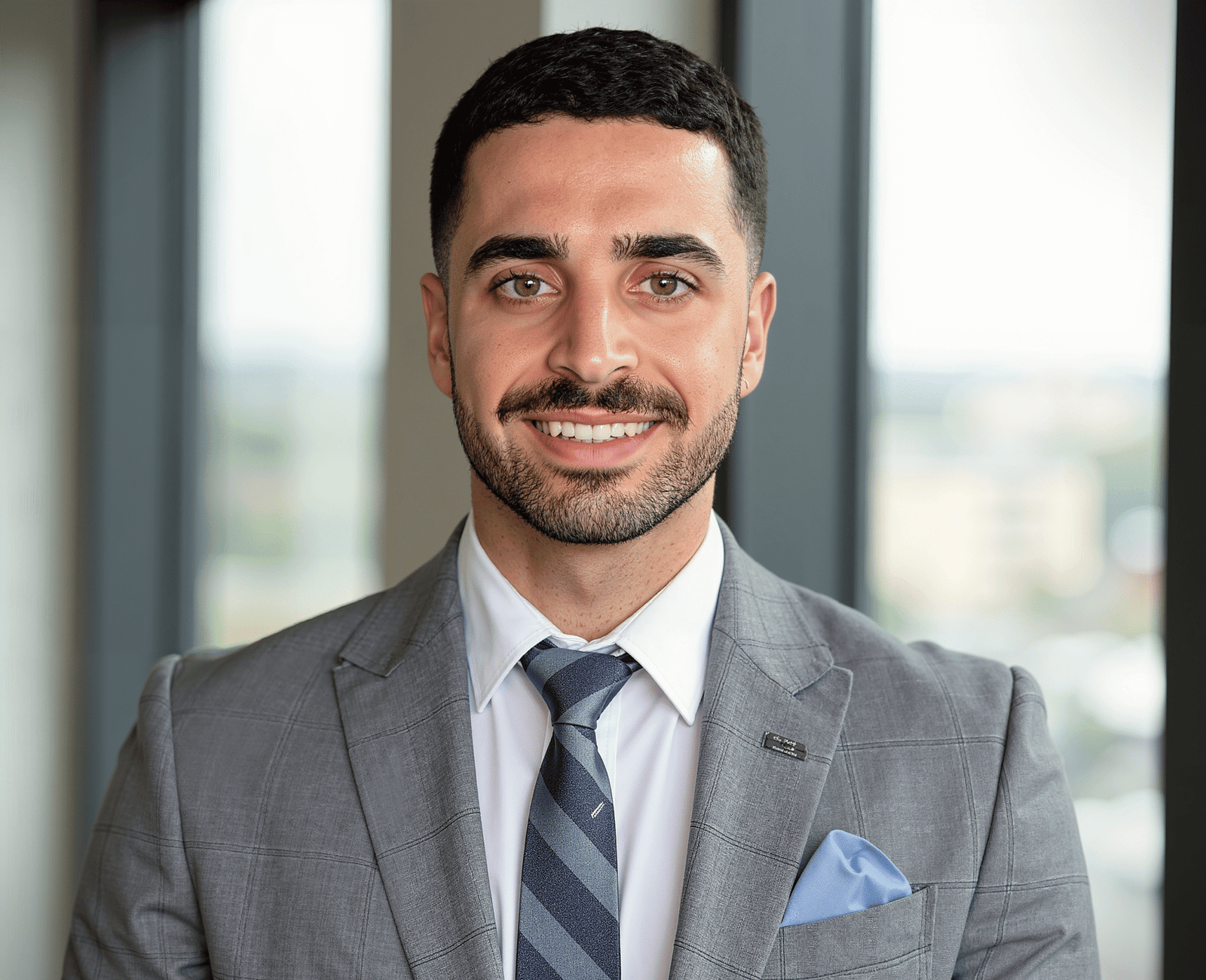
Joseph Sukkar
Immigration Lawyer

Simon Jeans
Special Counsel

Rhel Tidoso
Immigration Case Manager

Maria Reglos
Finance Lead
Our Locations
Enquiry form
Ready to Move Forward?
Whether you’re planning your own migration or growing your workforce, let us make immigration seamless for you.